Back
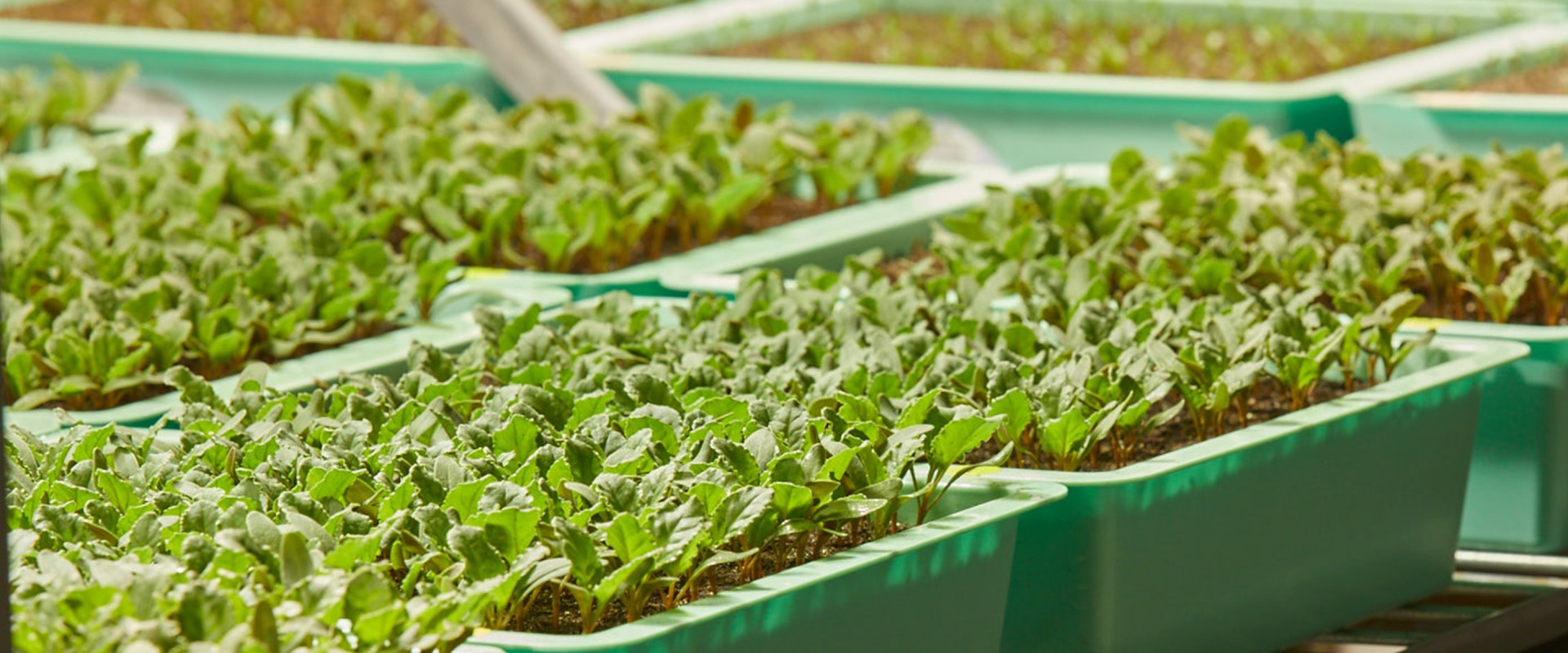
At Betaseed, we’re using advances in science to optimize the potential of every seed you plant. Our state-of-the-art breeding and testing process takes up to ten years. It’s the only way to ensure the hybrid your Betaseed rep recommends has the best traits to manage disease and drive yields on your farm.
Breeding Begins
Testing Selection
Seed Production
Final Testing
Seed Delivery
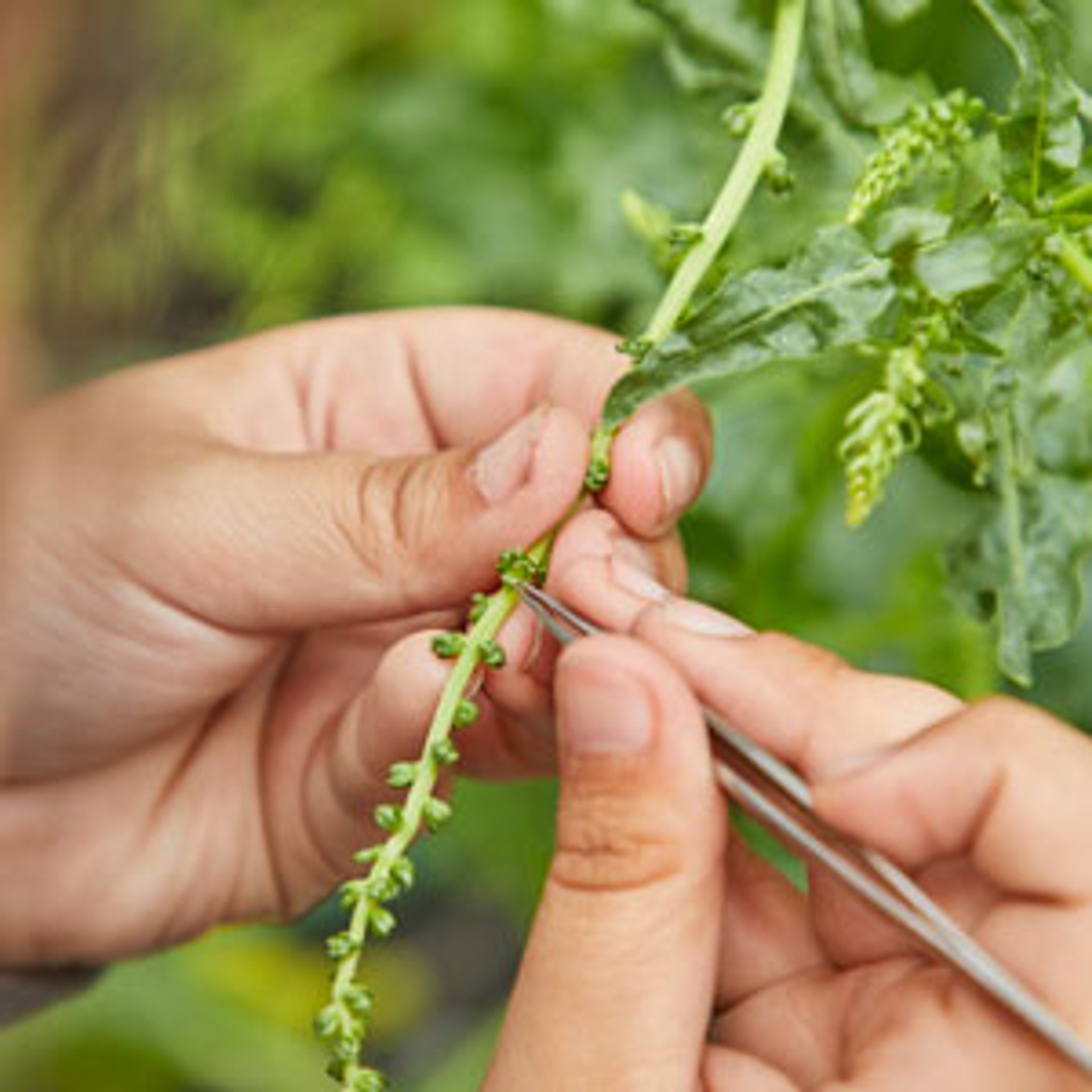
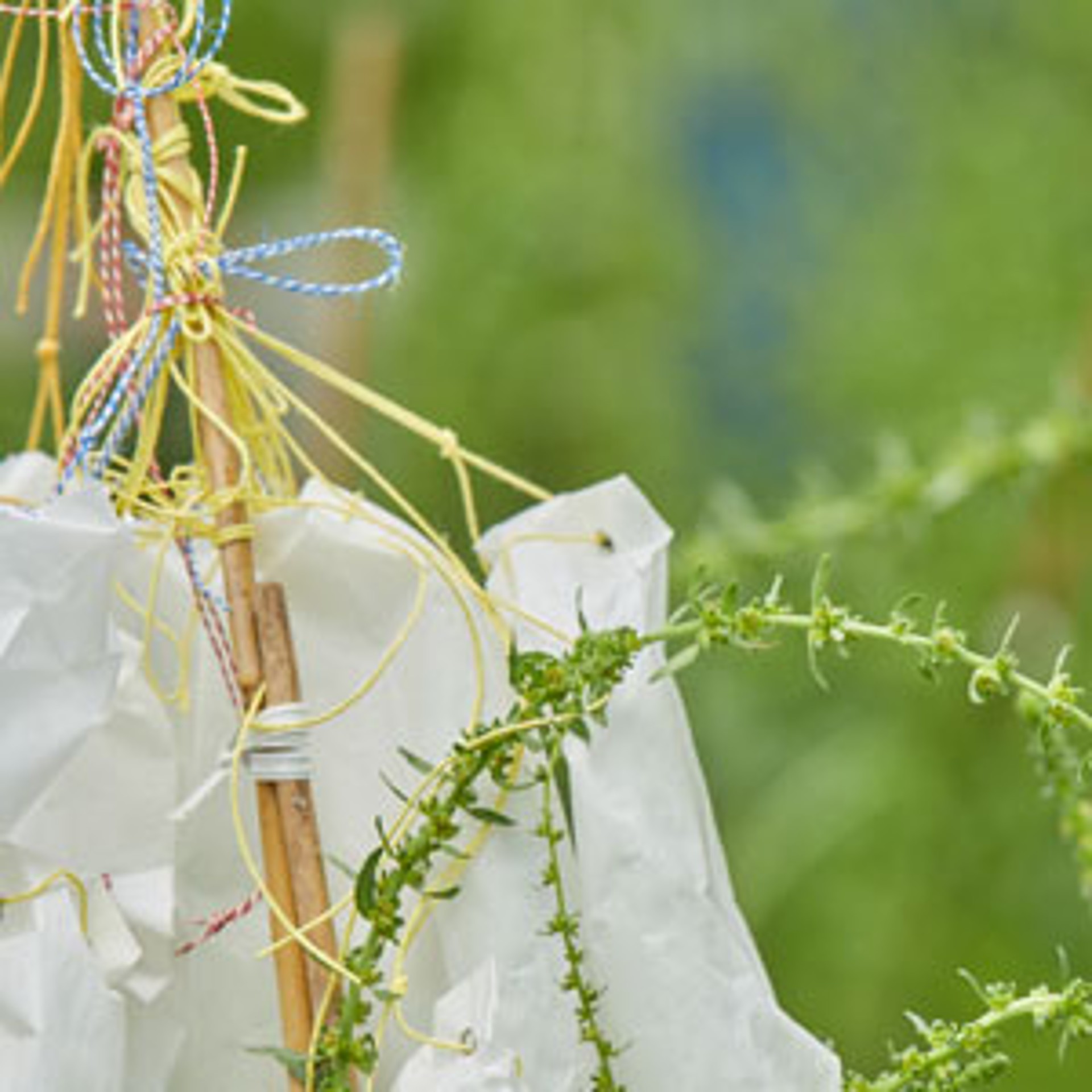
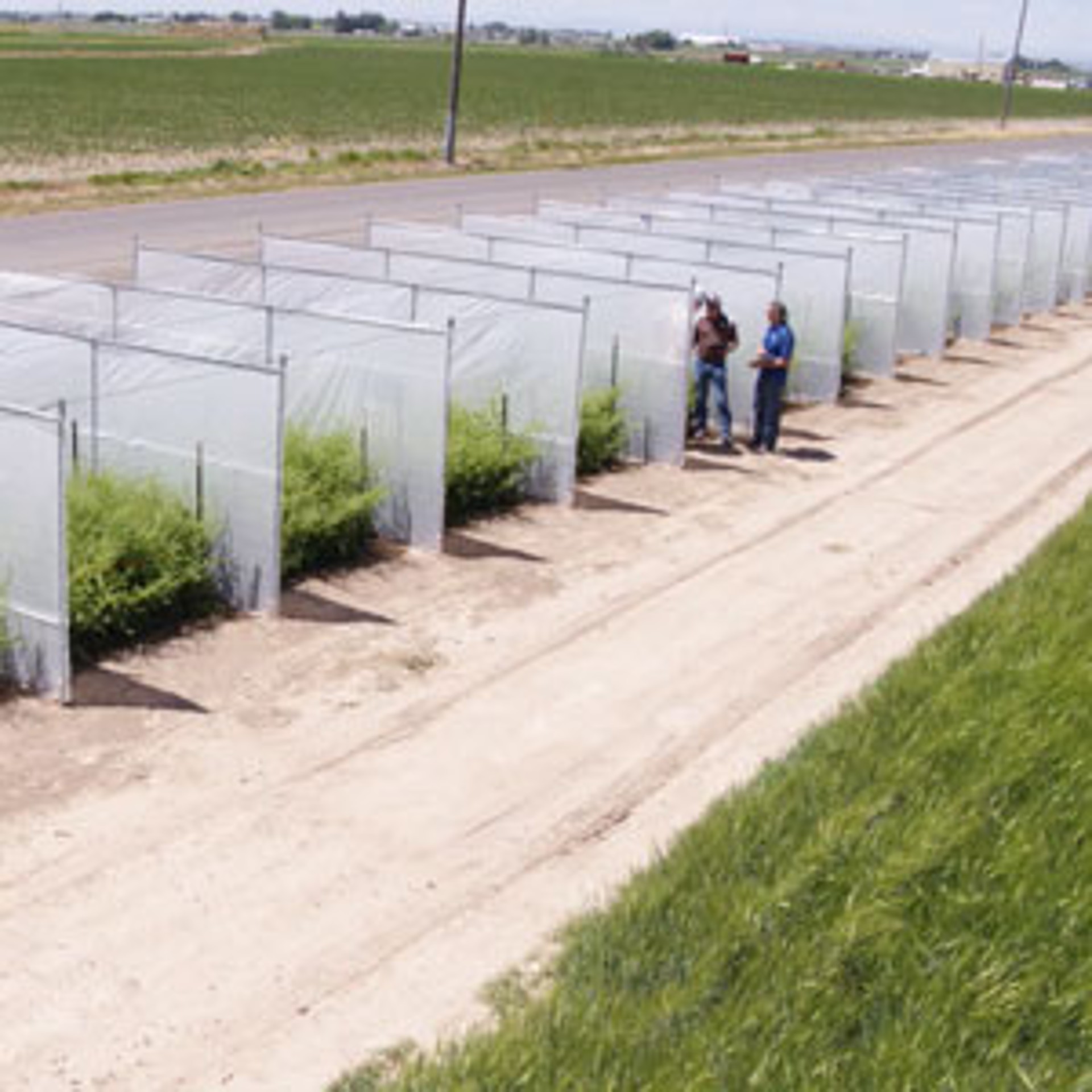
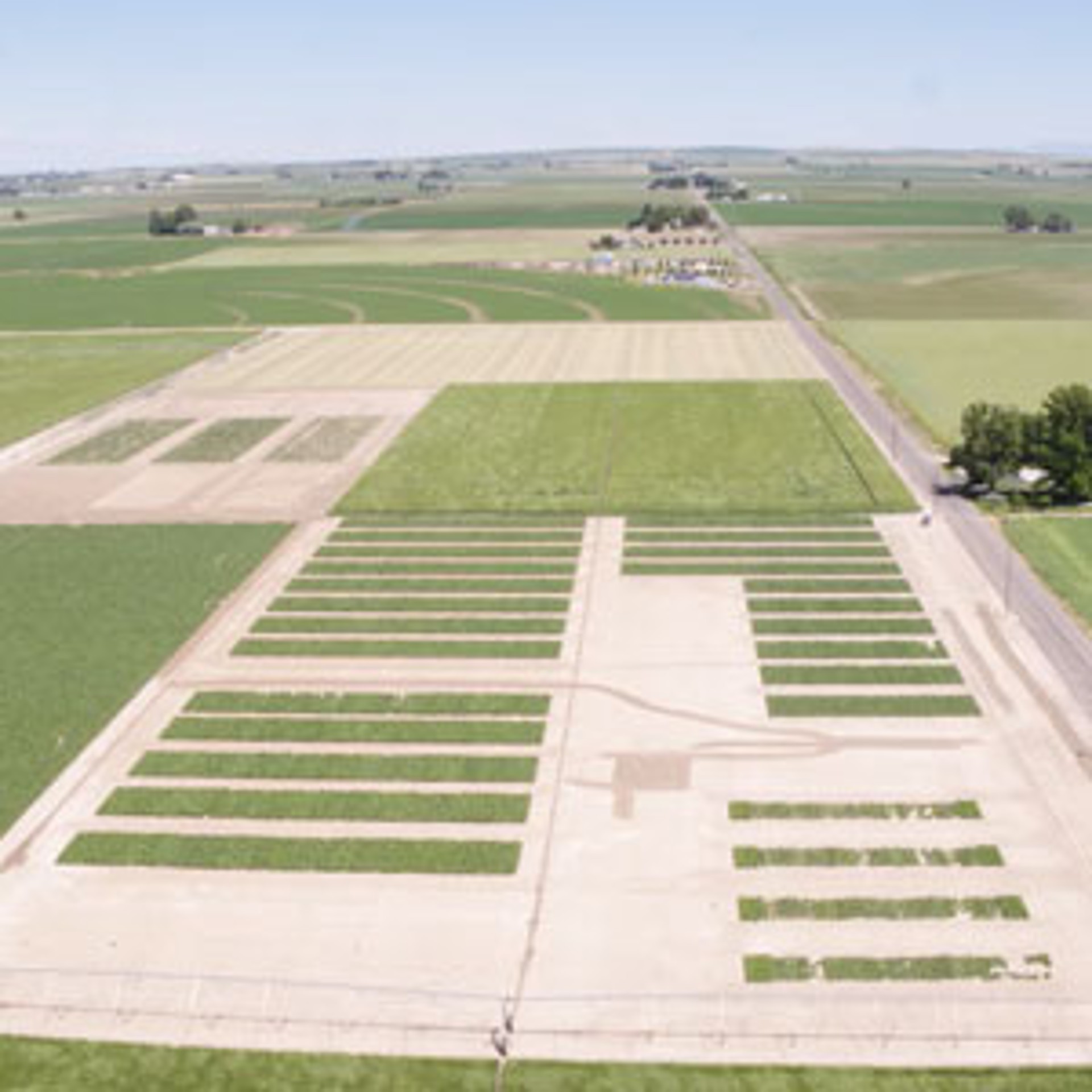
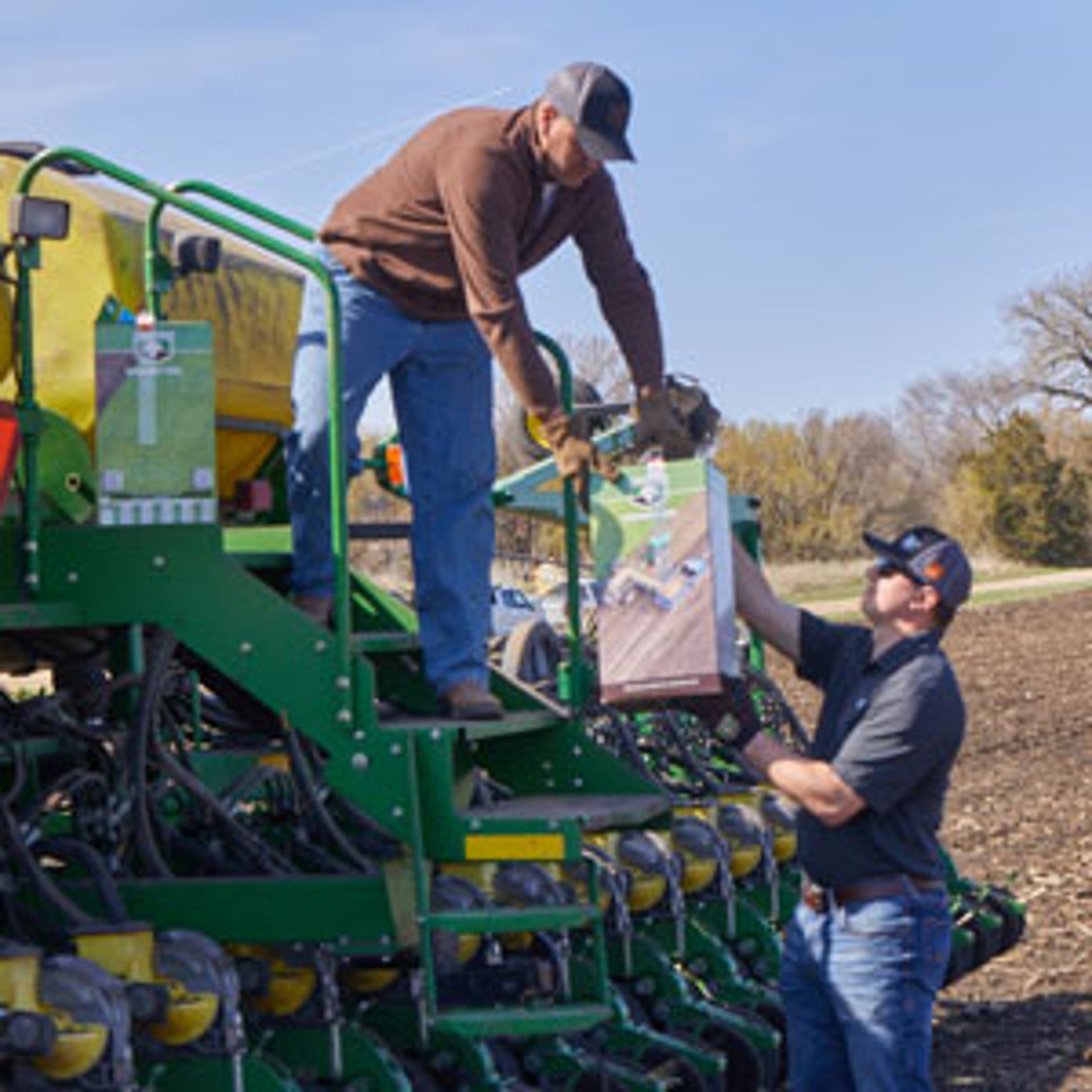
At Betaseed, our commitment is to provide sugarbeet growers with the highest quality seeds, driving productivity and revenue. Our dedicated team of specialists controls every phase of the development process, from initial breeding to final seed processing, ensuring that every seed meets our rigorous standards and is optimized for success in your fields.
Watch this short video to learn more about our 10-year breeding timeline.
Our industry-leading research and breeding program is the foundation of our success. We are devoted to developing high-performing, disease-tolerant sugarbeet varieties tailored to the unique challenges of each North American growing region.
The journey to a new hybrid is a long-term commitment, often taking 8-10 years of dedicated effort. Annually, we evaluate over 60,000 nursery plots to assess hybrid performance and disease tolerance. Our breeders work to develop genetics that provide value by overcoming a wide range of diseases and pests, including:
High-quality seed production begins with superior genetics. The process is divided into two main stages:
Before any seed reaches the market, it undergoes extensive testing—over 25 times—to confirm seed quality and embryo viability. Our quality control includes:
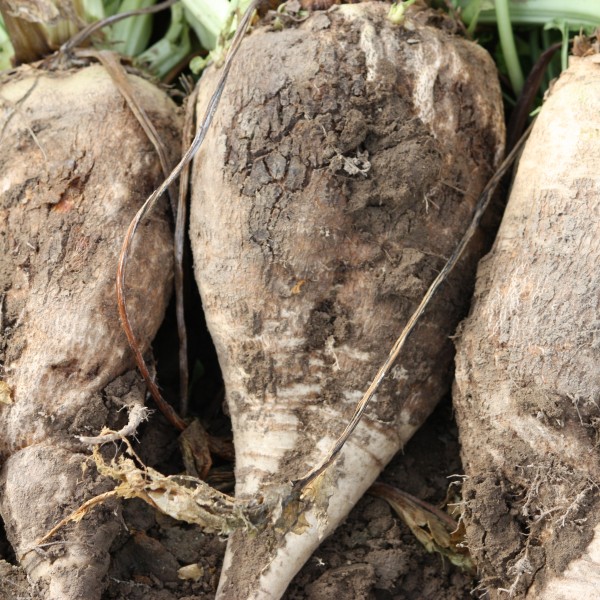
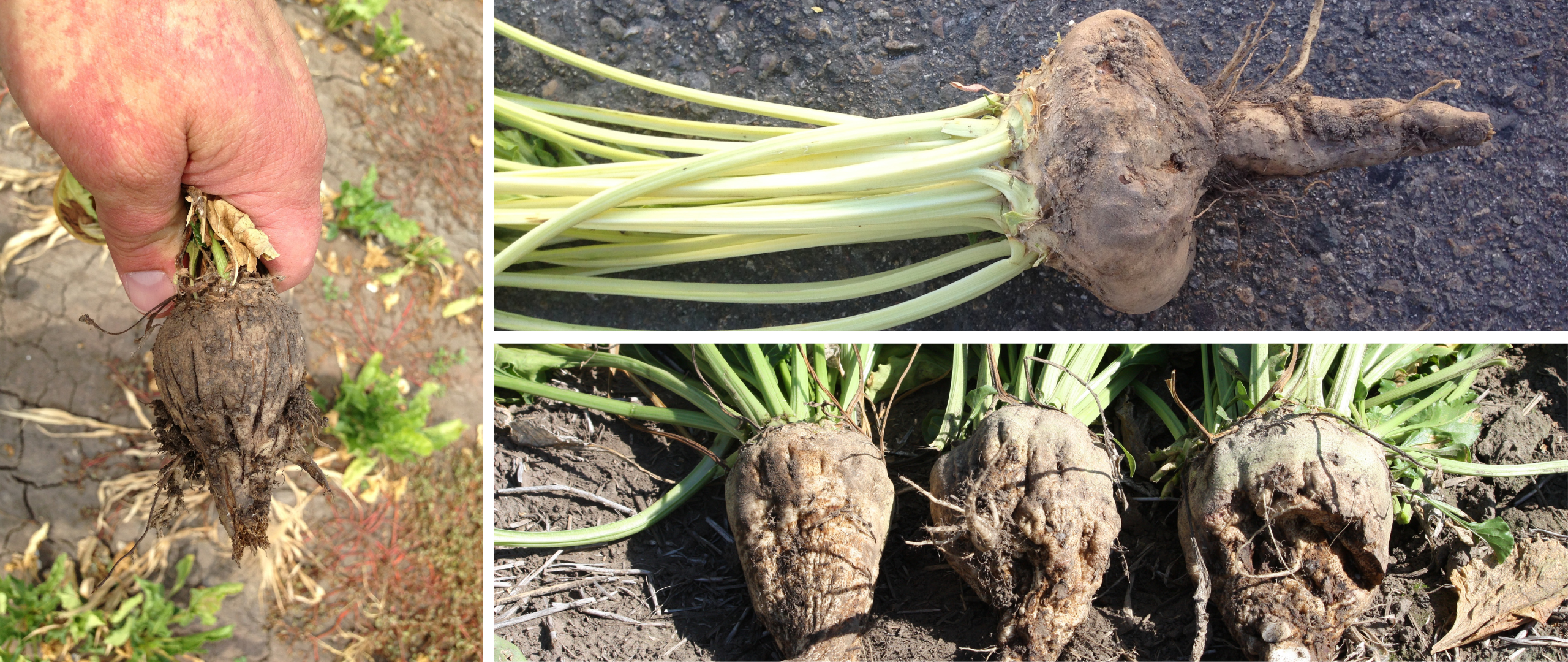
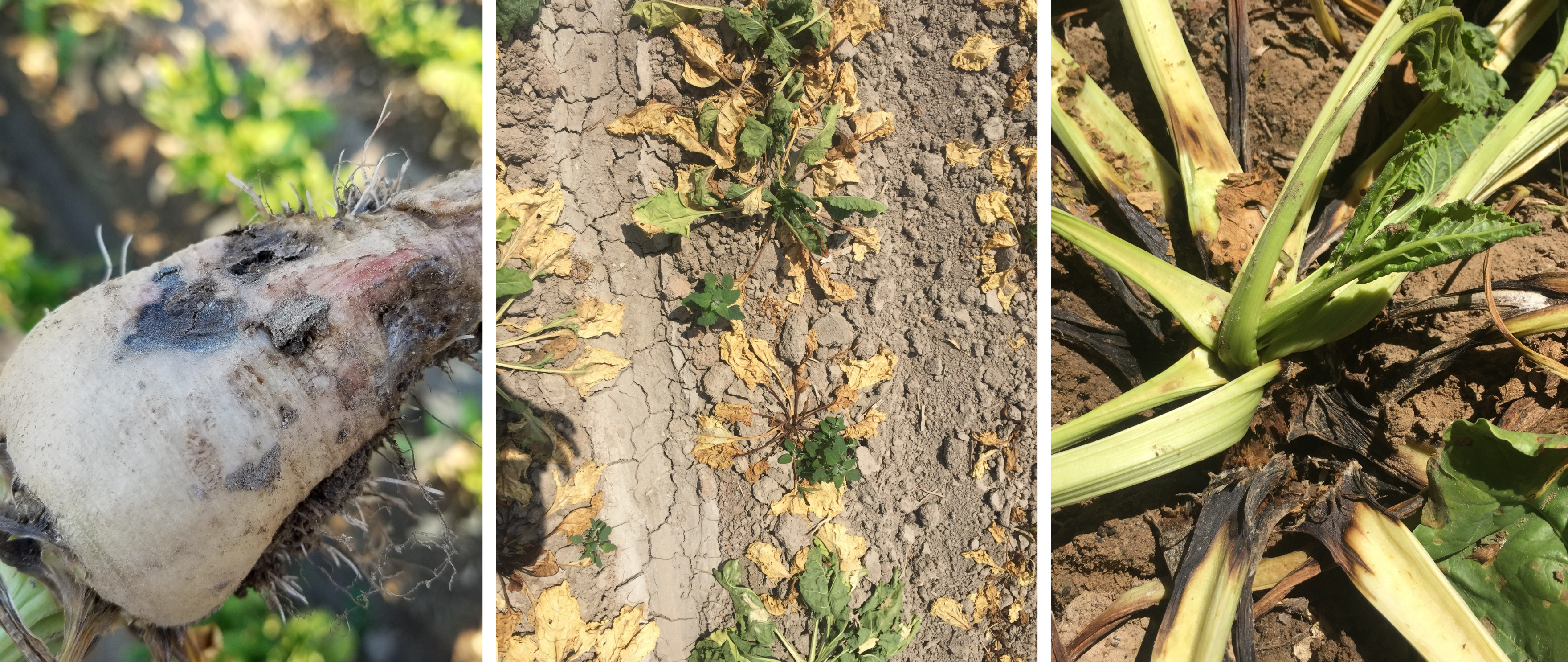
A common root rot in warm, wet conditions.
Learn more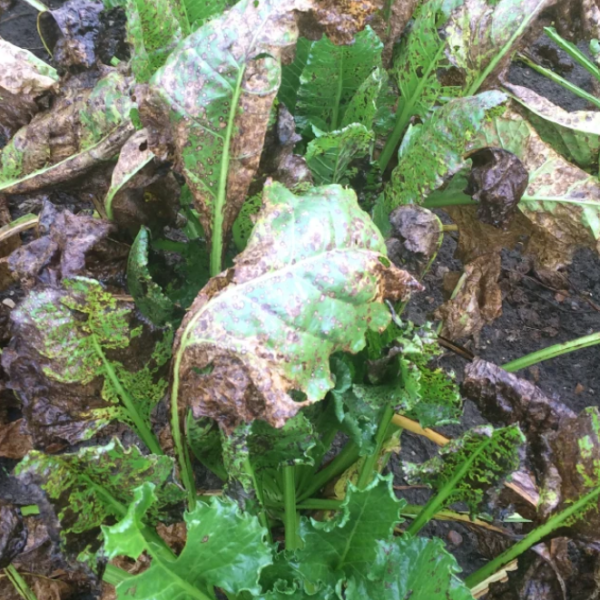
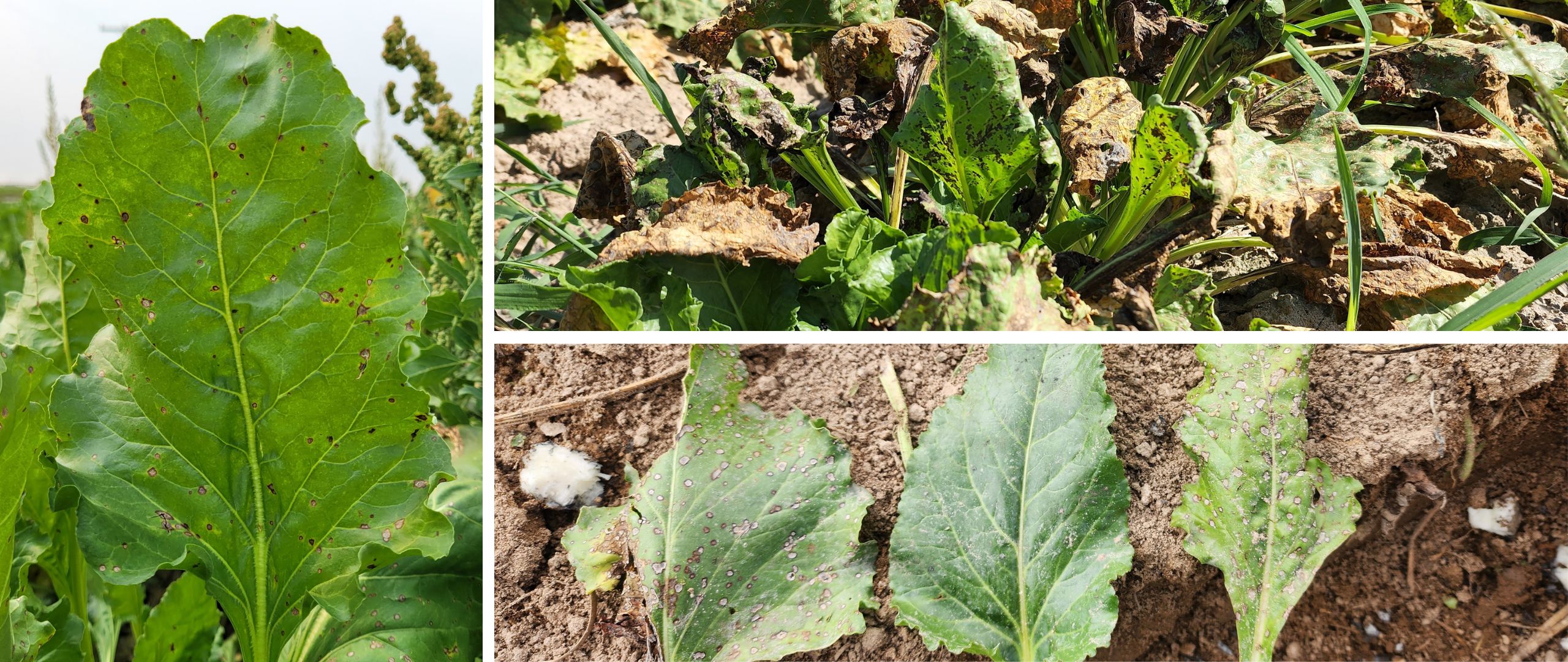
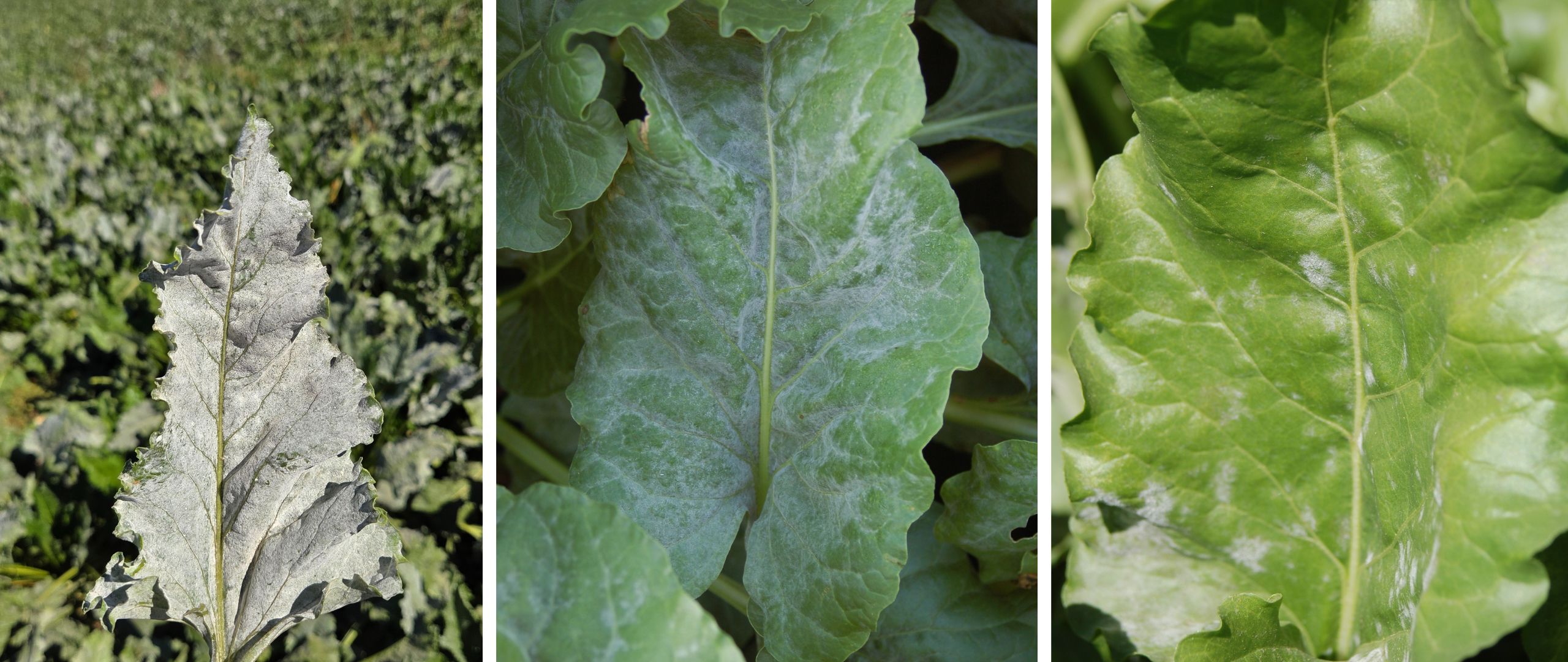
A foliar disease that thrives in warm, humid weather.
Learn more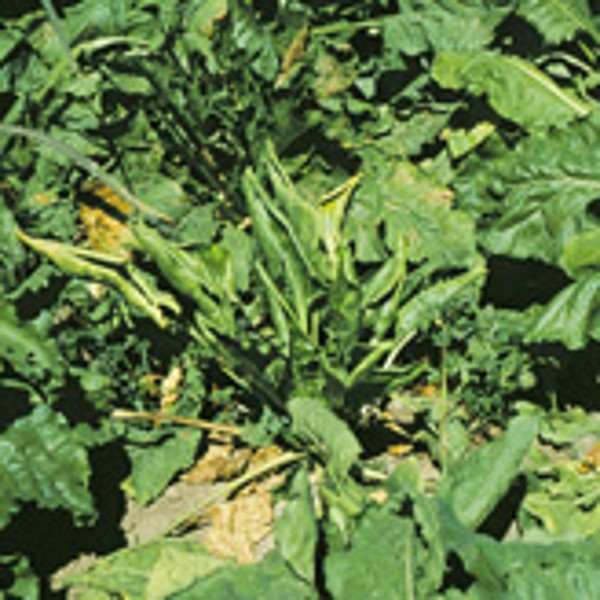
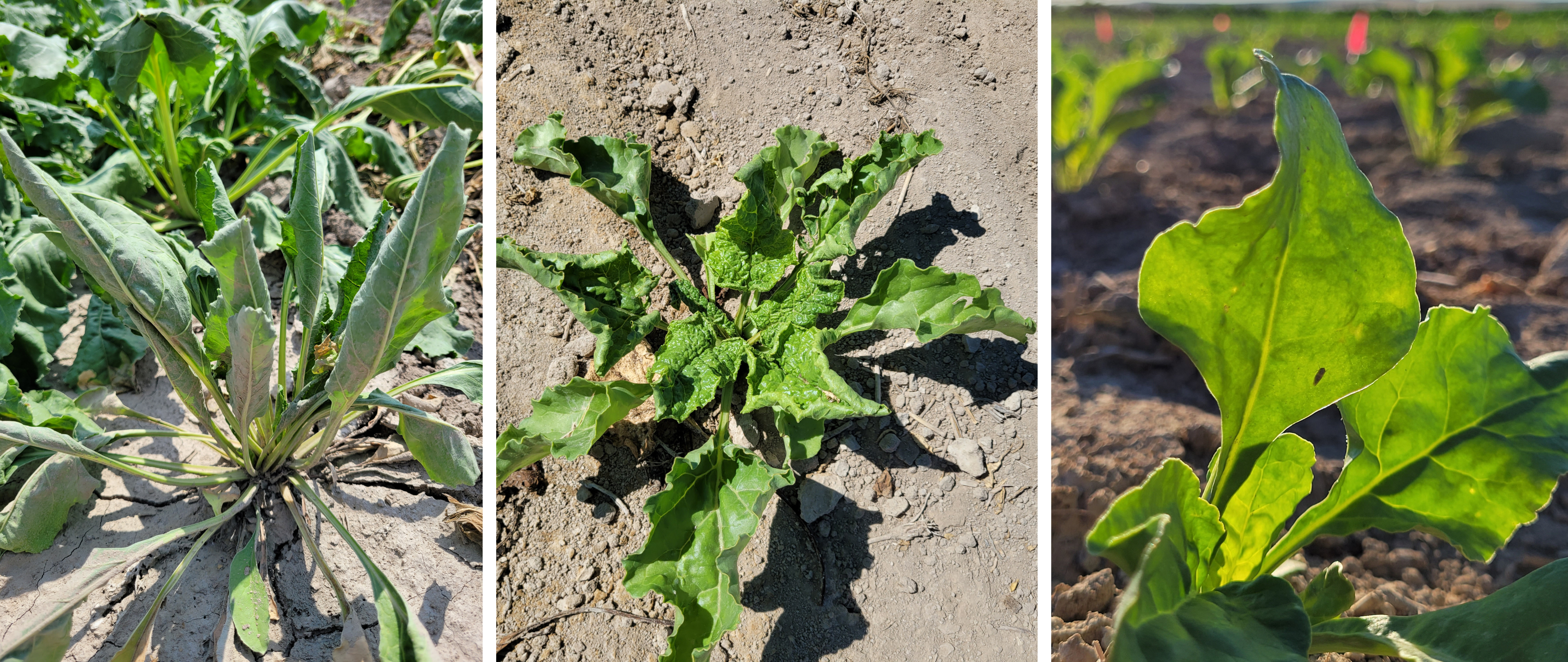
A viral disease that hinders nutrient uptake.
Learn more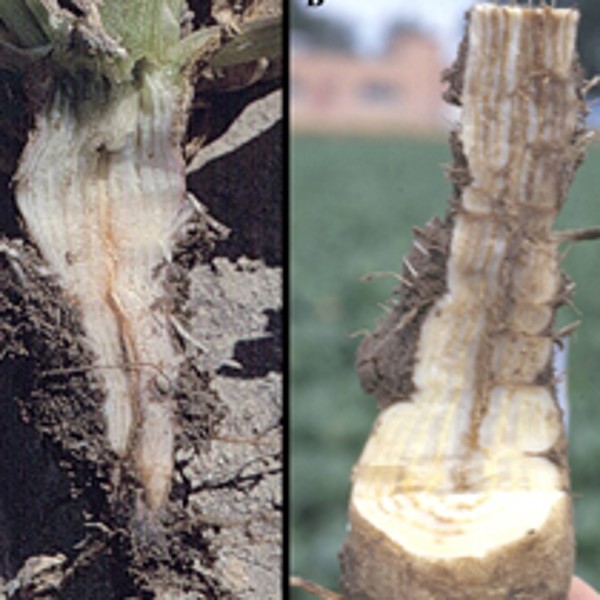
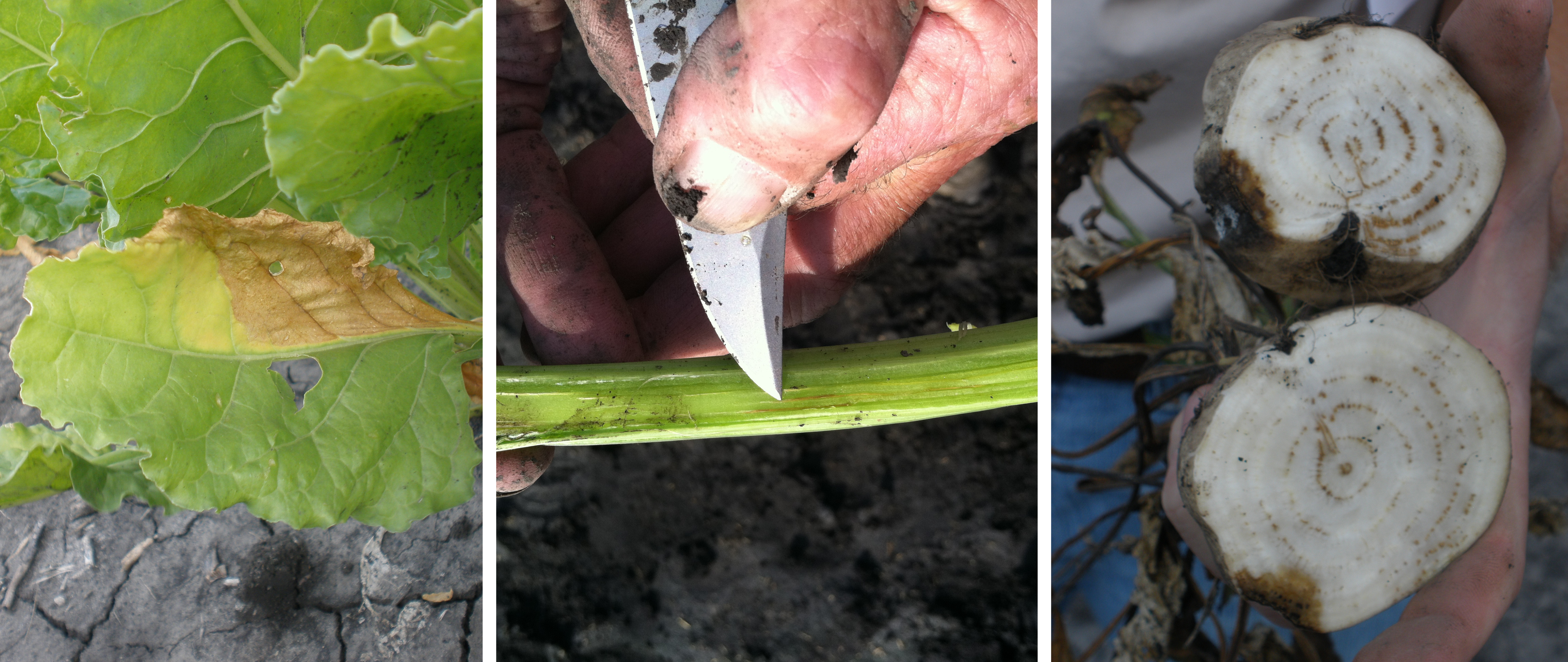
Caused by fungus that survives in soil invading the plants vascular system.
Learn more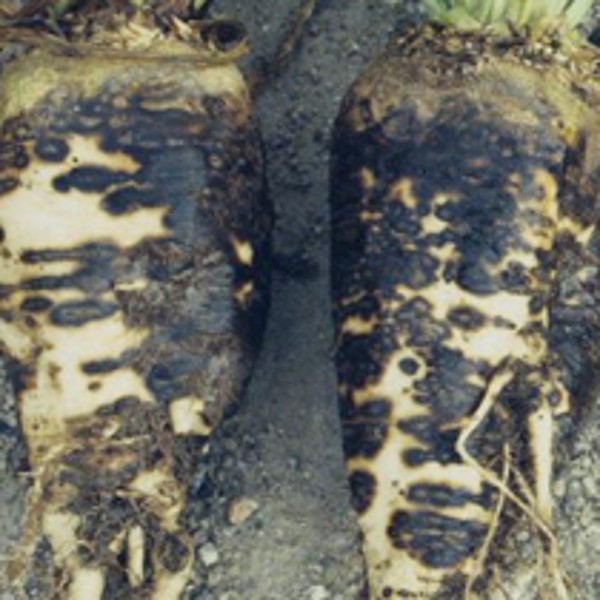
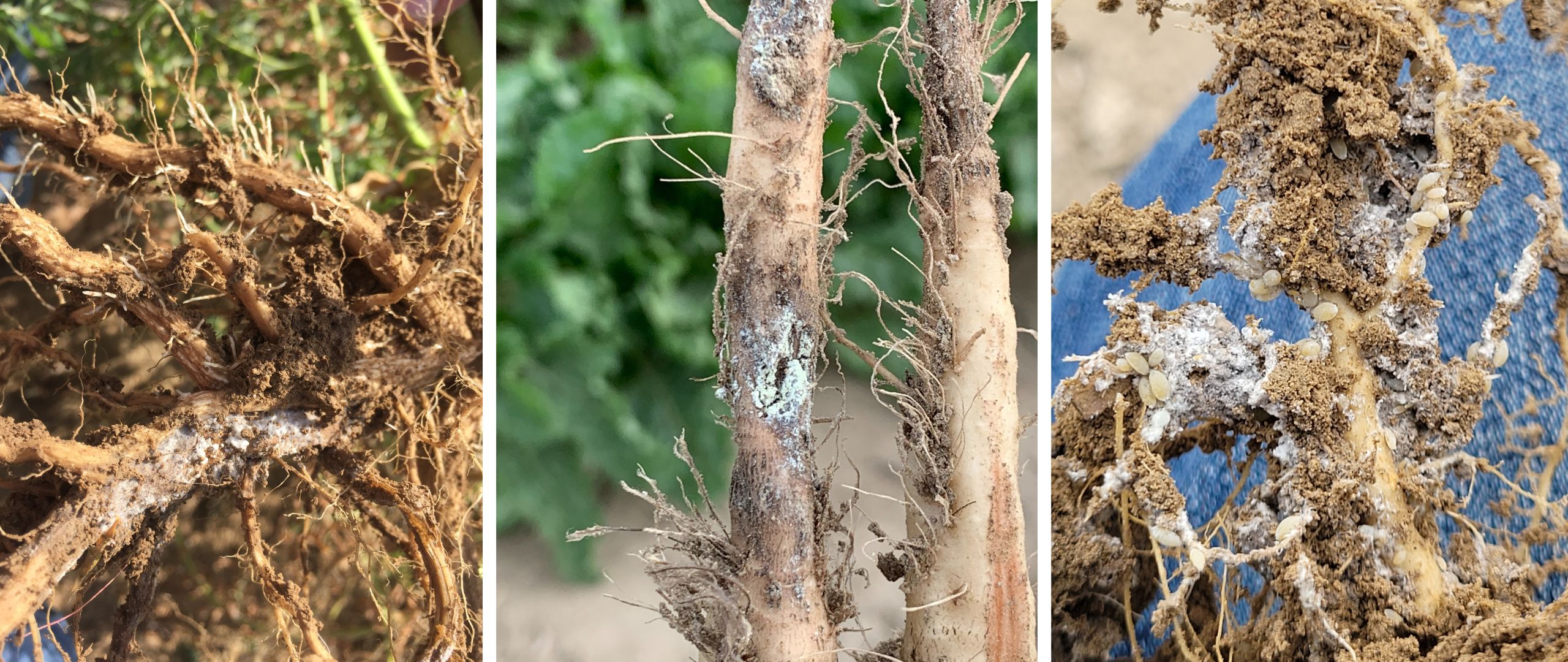
A soilborne fungus causing root rot.
Learn more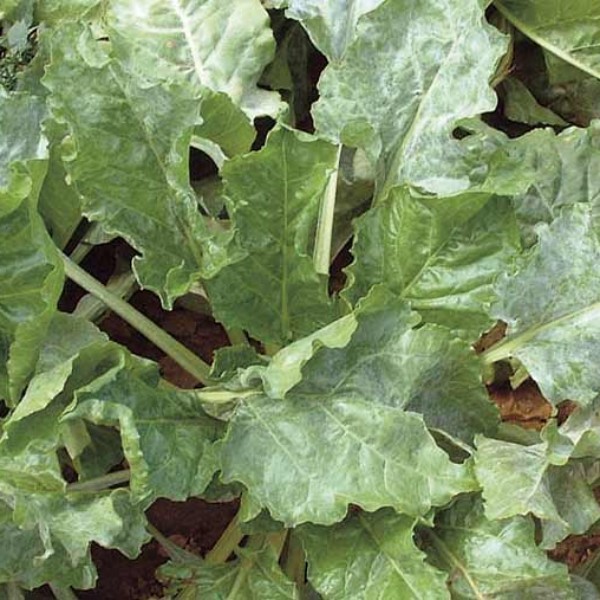
A fungal disease that appears as white blotches on leaves.
Learn more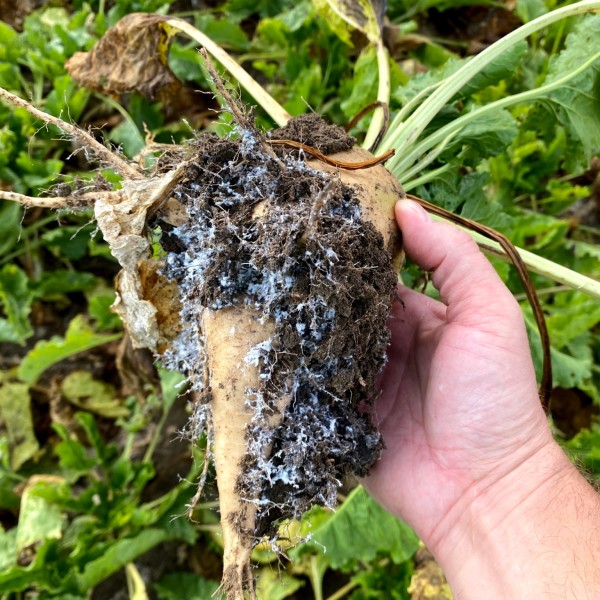
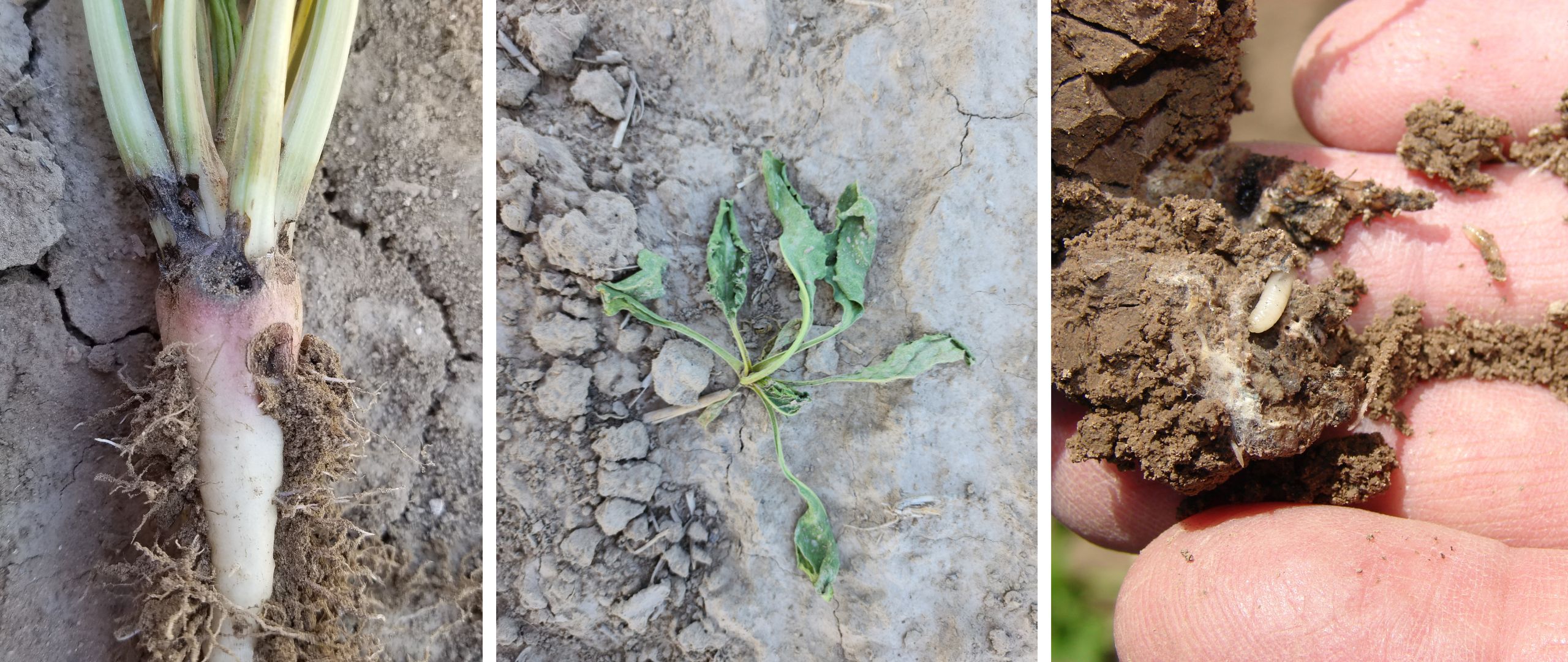
A pest that can cause leaf wilting and threaten overall plant health.
Learn more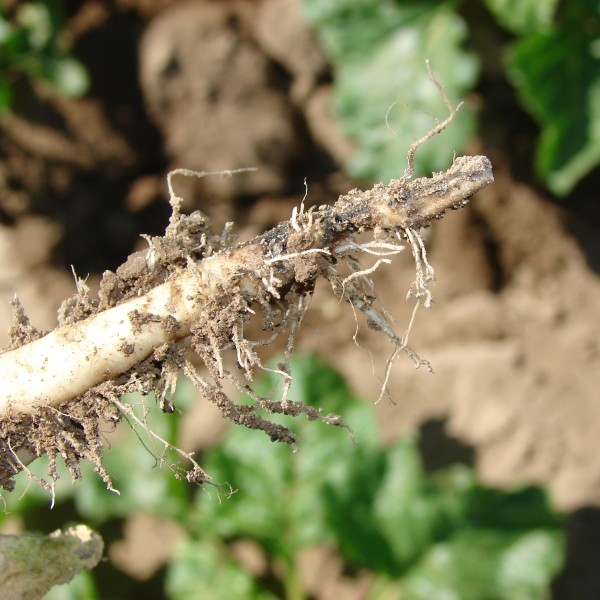
A pest that can cause leaf wilting and threaten overall plant health.
Learn more_news_teaser_res.jpg)
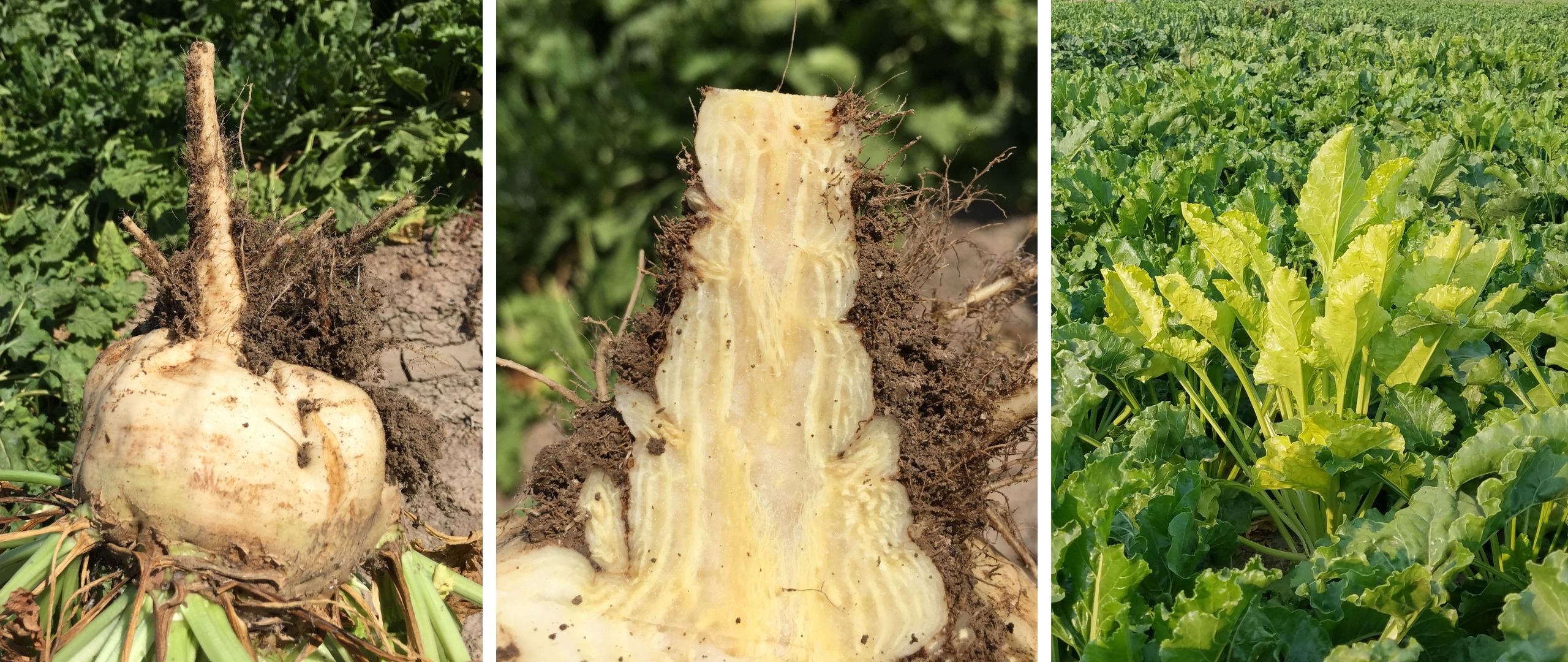
Describes the root symptoms the viral disease Beet Necrotic Yellow Vein Virus (BNYVV).
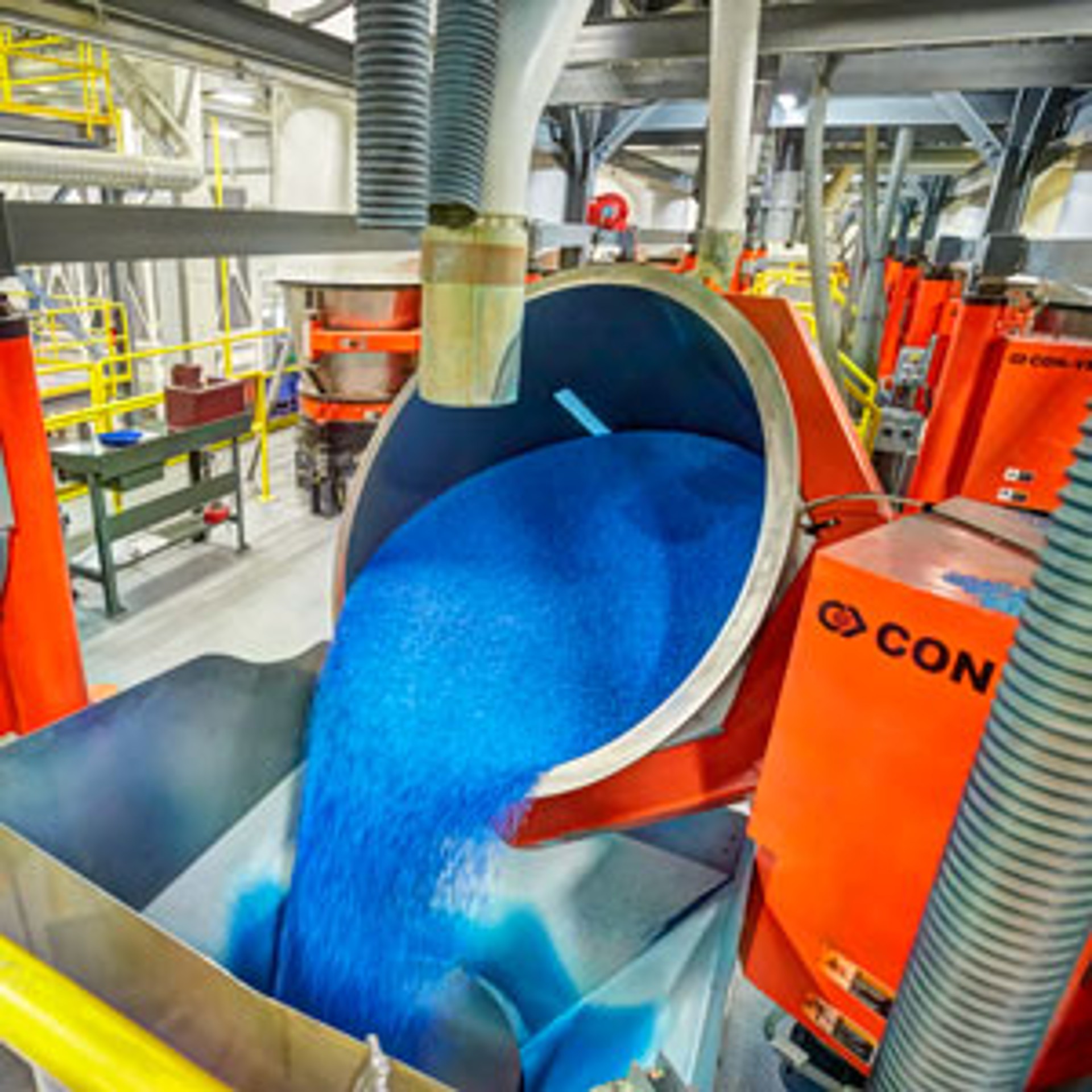
Learn moreOur state-of-the-art facility in Tangent, Oregon, handles all Betaseed brand seed processing. In 2012, a major expansion enhanced our ability to produce consistently high-quality seed. The processing steps include:
Through our integrated approach to breeding, production, and processing, Betaseed is breeding confidence and delivering the performance you need for a successful harvest.